

A psychoeducational assessment for children learning in French.
Learning in two languages shapes how your child thinks, processes information, and understands themselves as a learner. A good assessment needs to be able to see both languages to understand the full picture.
At Whole Kids Health, our French psychoeducational assessments are designed for bilingual students in French Immersion, Extended French, and French-language schools. North York, Oakville, and across Ontario.
A comprehensive picture, held in both languages.
Step 01
Cognitive testing
This can include intelligence, memory, and executive functioning. The language of testing is chosen by the assessment team based on the child's preferred language for thinking and reasoning.
Step 02
Academic testing in French and English
Academic skills tested in French, with reading and spelling also assessed in English. This is how we see where learning transfers between languages and where it diverges.
Step 03
Socio-emotional testing
Questionnaires and clinical interviewing. Learning does not happen in isolation, and the emotional picture is part of a thorough assessment.
Step 04
Document review and school consultation
Report cards, previous assessments, and direct consultation with school staff where relevant. We contact the school directly and can conduct those conversations in English or French.
Step 05
Written report
A clinical formulation with findings, any relevant diagnoses, and specific recommendations you can share with school and care providers. The report is written in English.
Step 06
Feedback session
A dedicated appointment to walk through the results together, answer questions, and make sure the recommendations are workable for your family.
Our psychoeducational assessment looks at the full learning profile, cognitive, academic, and socio-emotional, with the dual-language layer woven in where it matters most. Every assessment is tailored to the child.
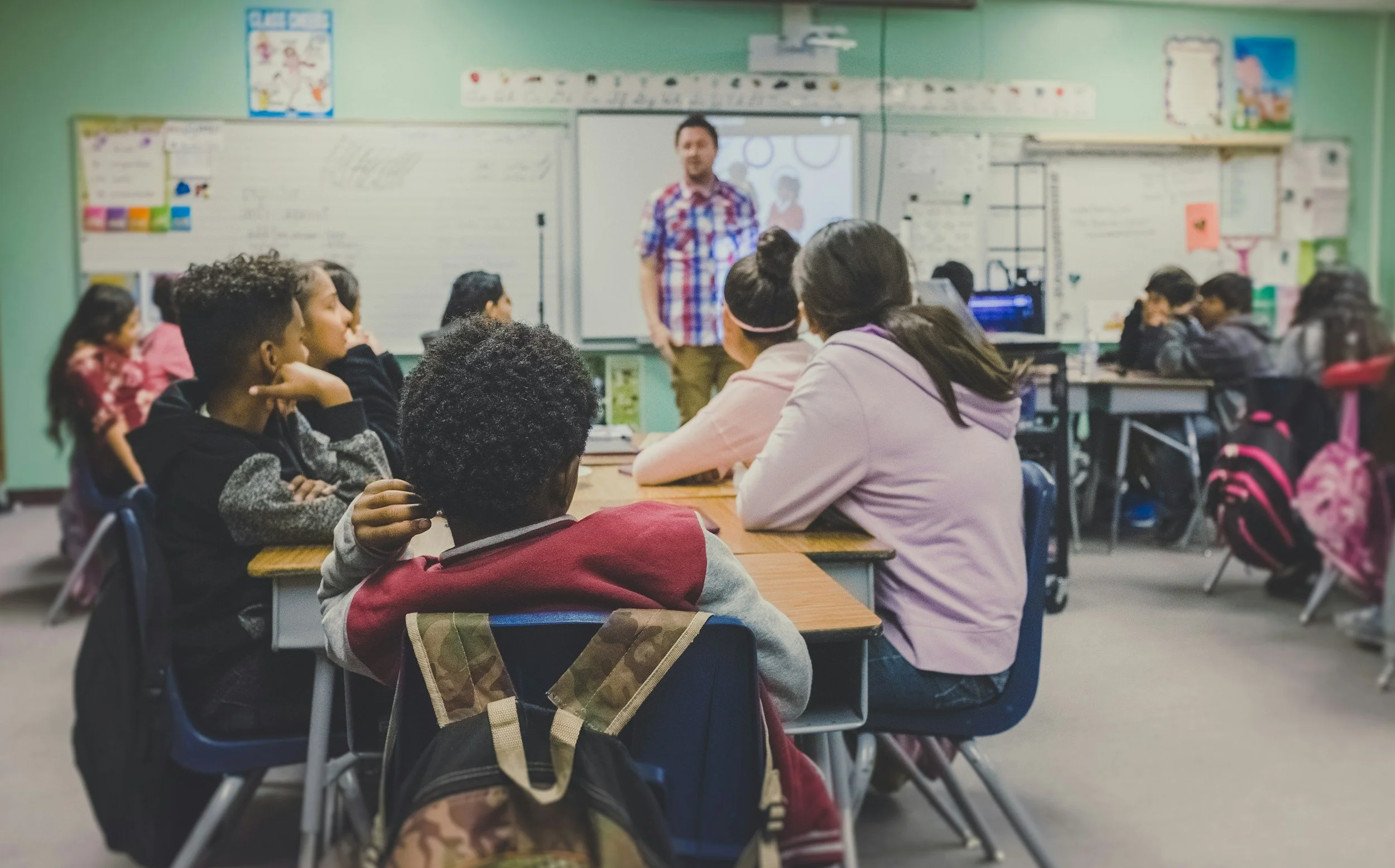
A fuller picture of how bilingual children learn.
Reading and writing draw on the same underlying skills across languages. But language itself is different, and that matters. When a child struggles in French, it is not always clear whether the issue is a learning difference or a French-language challenge. Testing in both languages is how we tell those apart.
A child can look behind in French and be on track in English, or look fine in French and be quietly struggling in both. Testing in both lets us answer the question that matters most: is this a reading or writing issue, a language issue, or some of both.
A bilingual learner carries two languages into every classroom. An assessment should be able to see both.
Ready when you are
A clinical resource for bilingual families.
Comprehensive psychoeducational assessment for students in French-language schools, French Immersion, and Extended French, with academic testing in both languages.